Australian Sports Physio

Physio for Hip and Groin

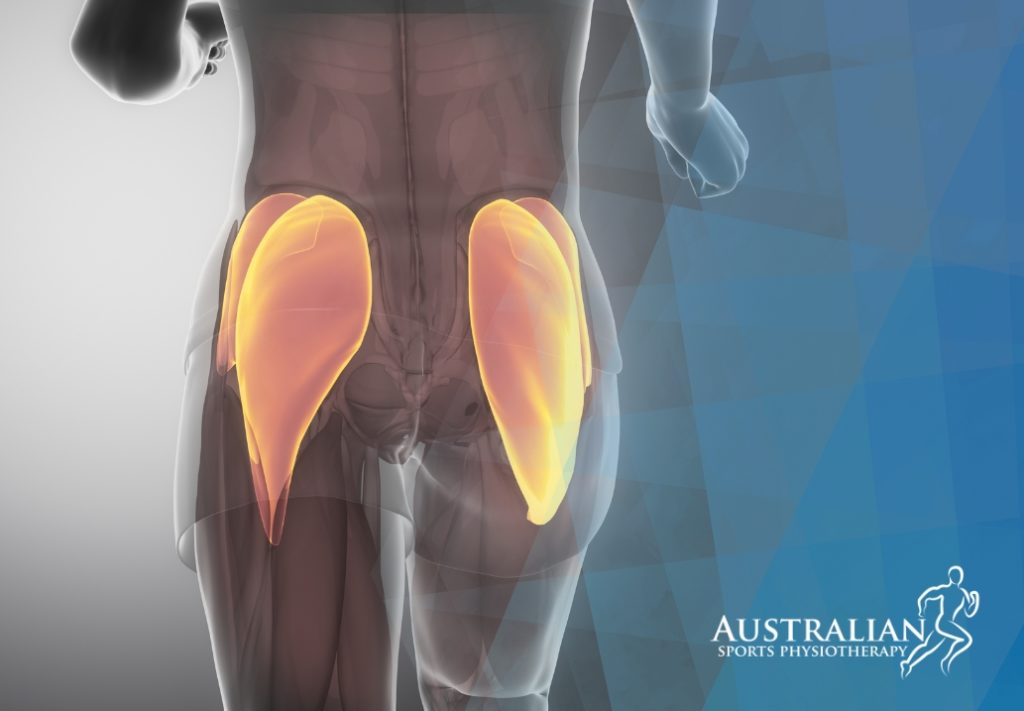
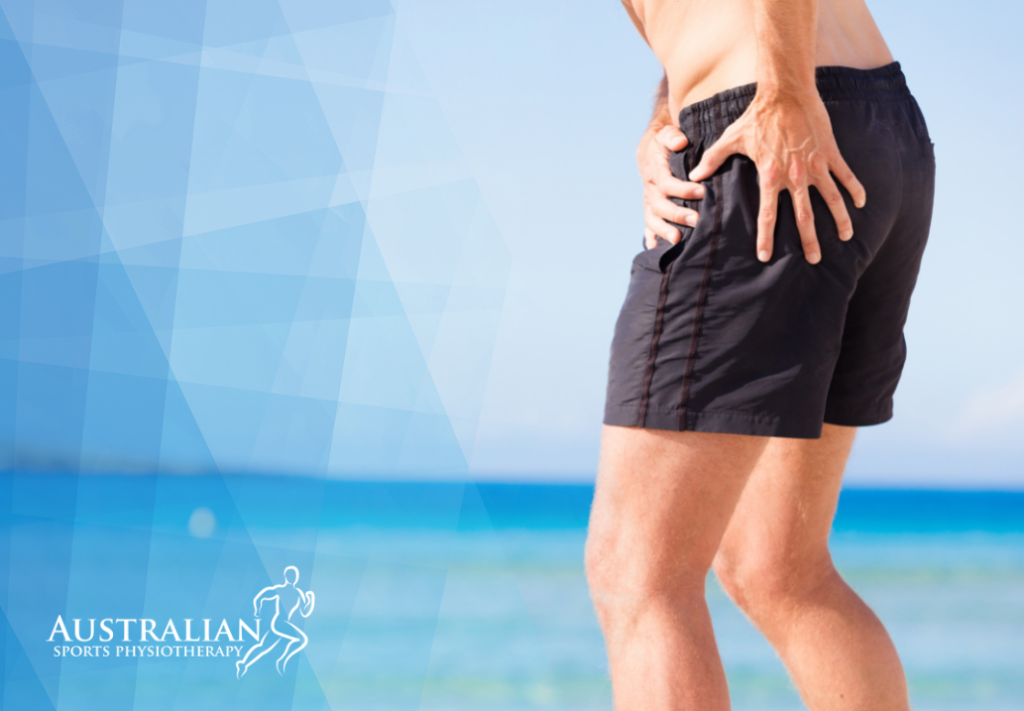
Being the largest joint of the human body, the hip joint is not only designed for stability and weight bearing; but a large range of movement. However, injuries to the hip and groin are quite common and sometimes difficult to assess due to the numerous structures involved.

annie-spratt-Nt5eeIKH-1s-unsplash

HIP AND GROIN TREATMENT

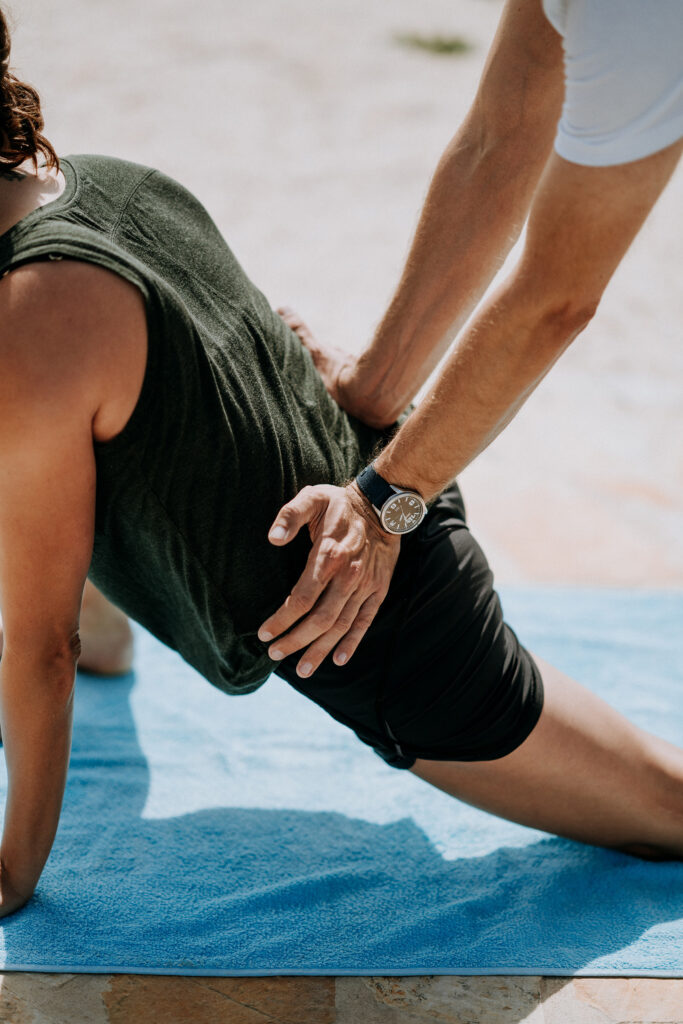
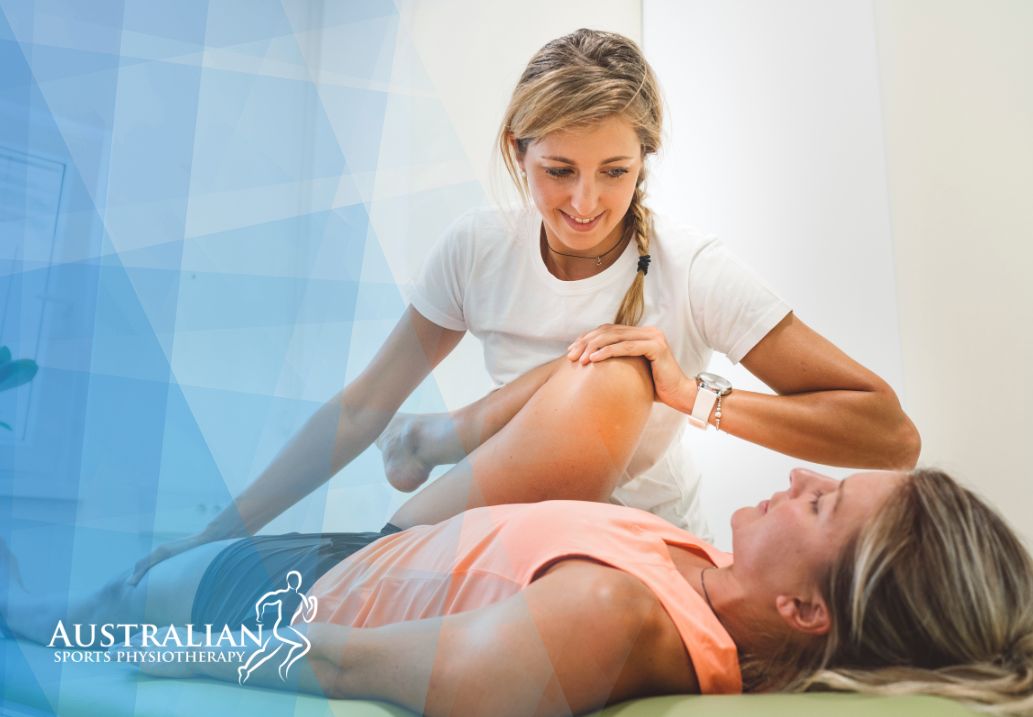
Hands-on assessment and treatment from physios who work closely with your GP and surgical team.

Hip and groin injuries are among the hardest to self-manage. The joint carries your full body weight through every step and stride, which means there’s rarely a good time to wait and see.

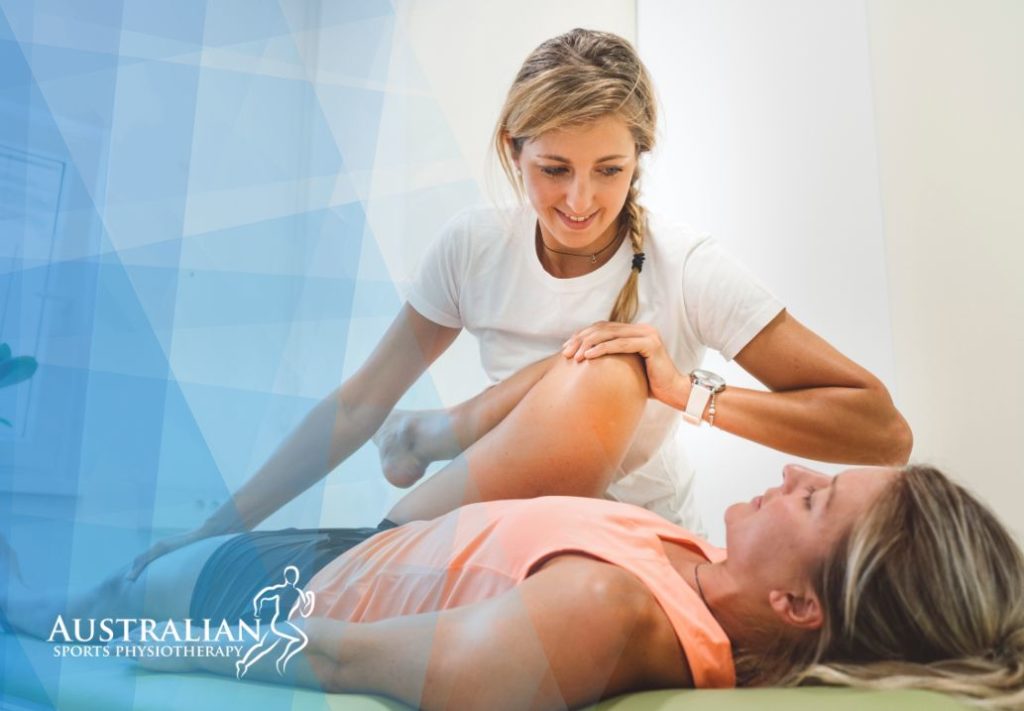
At Australian Sports Physiotherapy, your first appointment starts with a proper physical examination and a clear diagnosis, not a generic program handed to you at the door.

HIP AND GROIN PHYSIOTHERAPY

Types of Hip and Groin Injuries

Hip and groin injuries can be painful and affect your ability to move around. Here are some common types of hip and groin injuries:

  • Hip Fracture happens when the thigh bone breaks near the hip joint. It can be caused by a fall or impact.
  • Hip Labral Tear: The hip labrum is a piece of cartilage that lines the hip joint. A hip labral tear occurs when this cartilage is damaged or torn, often due to repetitive movements or trauma.
  • Osteoarthritis is a condition that occurs when the cartilage in your joints breaks down over time, causing pain and stiffness.
  • Groin Strain is when the muscles or tendons in the groin area are torn or injured. It can be caused by sudden movements or overuse.
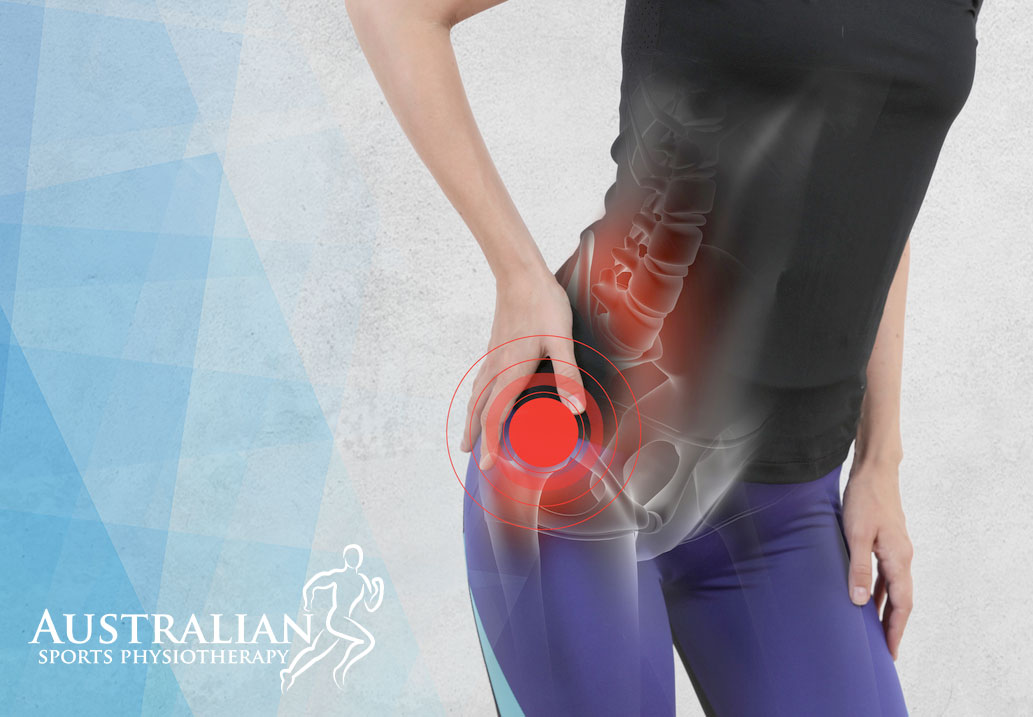
  • Hip Bursitis: Bursae are small sacs of fluid that help cushion your joints. Hip bursitis occurs when the bursa in your hip becomes inflamed, causing pain and swelling.
  • Hip Dysplasia is a condition where the hip joint doesn’t form properly, which can lead to pain and difficulty with walking. It can also cause back pain because of the way it affects the alignment of the hips and spine.
Hip Physiotherapy Clinic Melbourne | Australian Sports Physiotherapy

Hip and Groin PhysiO MELBOURNE

Hip and Groin Pathology

Welcome to Australian Sports Physiotherapy where we specialise in the assessment and treatment of hip & groin pathology. Our Melbourne hip & groin physios are dedicated to helping you recover from injuries and regain optimal function.

Physiotherapist for Labral Tear Melbourne | Australian Sports Physiotherapy

Acetabular Labral Tears

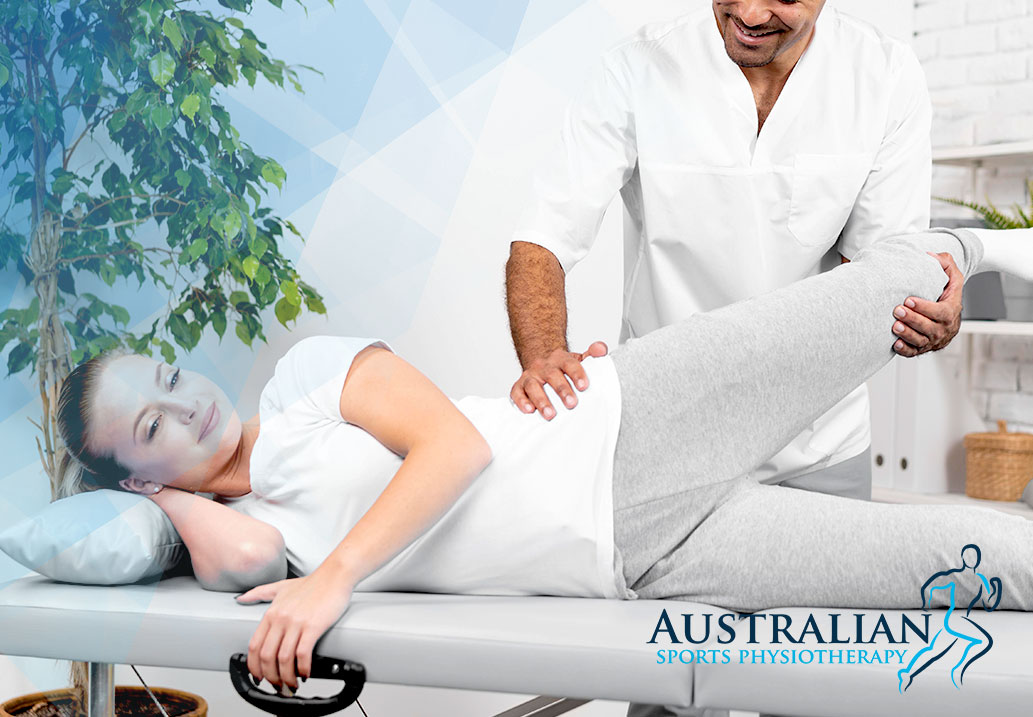
Acetabular Labral Tears refer to a specific injury or damage to the labrum in the hip joint. The labrum is a ring of cartilage that lines the socket of the hip joint, known as the acetabulum. It provides stability, cushioning, and helps to maintain the proper alignment of the hip joint.

When the labrum becomes torn, it can cause pain, stiffness, clicking or catching sensations in the hip, and limited range of motion. Acetabular labral tears can result from various factors, including traumatic injury, repetitive hip motions, structural abnormalities of the hip joint, or degenerative changes over time.
Click here to find out more on our specialised Rehabilitation Program.

Physio Treatment for Snapping Hip Syndrome

Femoro- acetabular Impingement Syndrome (FAIs)​

FAIS is a condition characterised by abnormal contact between the femoral head (ball-shaped top of the thigh bone) and the acetabulum (socket in the hip bone). It often occurs due to structural abnormalities of the hip joint, such as excessive bone growth or misalignment.

There are two main types of FAIs: cam impingement, where the femoral head is not perfectly round, and pincer impingement, where the acetabulum covers too much of the femoral head. Common FAIs symptoms include groin pain, hip stiffness, and a limited range of motion.
Physiotherapy for Bursitis

Ligamentum Teres Tear​

Ligamentum Teres Tear is a condition characterised by damage or tearing of the ligamentum teres, a small ligament located in the hip joint. The ligamentum teres connects the femoral head (ball-shaped top of the thigh bone) to the acetabulum (socket in the hip bone). While the ligamentum teres is not crucial for hip stability, its tear can lead to pain, instability, and limited range of motion.

This may result from sudden trauma, repetitive stress, or degenerative changes over time. Common symptoms include hip pain, clicking or popping sensations, and difficulty with weight-bearing activities.

FAQs

Frequently Asked Questions About Hip and Groin Physiotherapy

Neck physiotherapy focuses on assessing and treating neck pain through tailored exercises, manual therapy, and education to promote recovery and prevent future injuries.

Our physiotherapists develop individualised treatment plans that address the underlying causes of your neck pain, helping to alleviate symptoms and restore function.

Yes, many hip and groin injuries can be prevented by maintaining good posture, using proper form during physical activity, and avoiding overuse.

Treatment duration varies based on the severity of your injury and your individual response to therapy. Our team will provide a personalised timeline during your initial assessment.

Yes, our physiotherapists offer preventative strategies and exercises to strengthen neck and surrounding muscles and improve posture, significantly reducing the risk of future injuries.

Physiotherapy for Hip and Groin Pain

Hip and Groin Clinic

Pre and Post-Operative Physiotherapy Rehabilitation

Our Physiotherapy rehabilitation program is based on the Takla – O’Donnell Protocol (TOD).

The TOD protocol was recently utilised in the FAIR trial (a randomised controlled trial RCT) and was found to return patients to activity significantly faster than patients who had a standard exercise program. To date, this is the only physiotherapy rehabilitation program that has been tested. We are on hand to answer all your questions and explain anything you need to know relating to our techniques, treatments and management of your hip and groin pain through your individual physiotherapy plan.

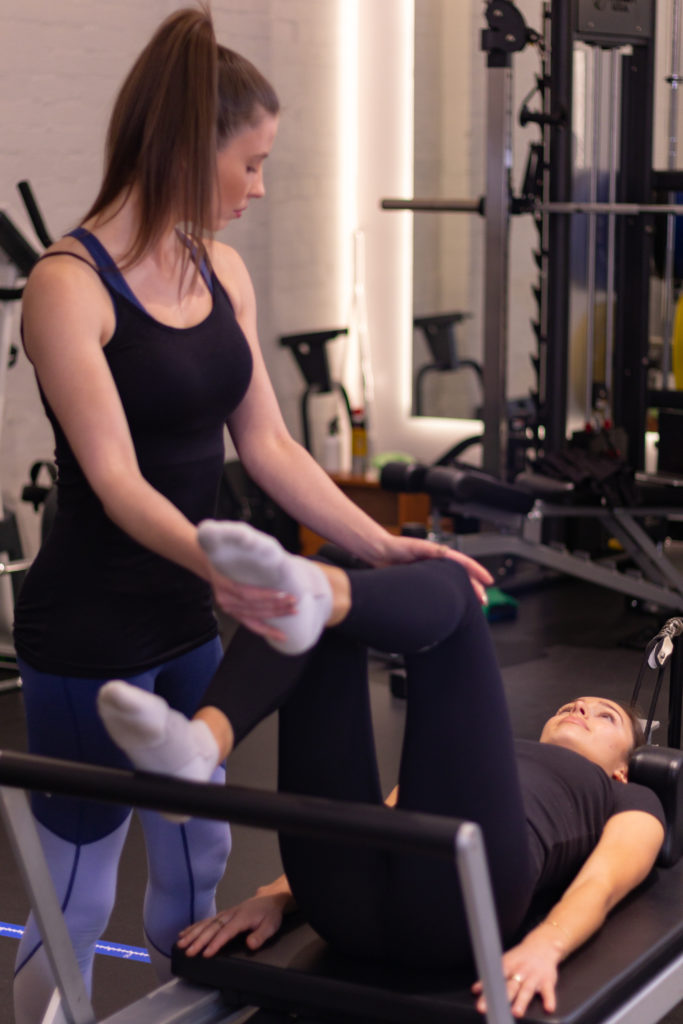
Pre-operative Physiotherapy will improve your surgery knowledge and expectations, help you develop healthy behaviour and movements, and ultimately may reduce your post-operative recovery time. Pre-operative physiotherapy rehab and education refers to both the physical and educational intervention that is delivered before surgery by one of our physiotherapists. 

During your Pre-op Physiotherapy session, you’ll be led through the surgical procedure, associated benefits and potential risks. Finally, after having your questions answered, you’ll be prescribed a tailored exercise program to prepare your body for surgery.

At Australian Sports Physiotherapy, our experienced physiotherapists will liaise with your surgeon and GP every step of the way; assisting you also with your post-operative rehab.

The benefits of Pre-op Physiotherapy includes:

  • Normalise altered movement patterns associated with prolonged injury
  • Prepare your mind for what to expect after surgery
  • Set practical tasks and SMART goals to return to post surgery
  • Initiate a tailored home-based exercise program to start day 1 post-surgery
  • The ability to reduce post-operative length of stay and long-term rehab cost
  • Access to ongoing support with your physiotherapist

Post-operative Physiotherapy or Rehabilitation is a vital component on your road to recovery and return to function.

After your surgery, our physiotherapy treatment will aim to initially reduce your post-surgical pain and swelling, restore early and safe movement patterns, and promote healthy healing.

Our tailored rehabilitation consults may include:

  • Re-establish early joint movement
  • Walking gait re-education
  • Muscle strengthening through safe, progressive strength exercises
  • Education regarding a safe return to function
  • Home-based and gym exercises
  • Return to work or sport specific assessment and programs

Our physiotherapists have numerous long-standing relationships with many orthopaedic surgeons; allowing us to stay up to date with developing surgical techniques and unique procedures; ultimately to aid your optimal recovery.

Common procedures that require post-operative rehabilitation may include:

  • Total Hip and knee Replacement
  • Hip Arthroscopy. Click here for more information.
  • Knee arthroscopy
  • Anterior cruciate ligament (ACL) repair
  • Shoulder replacement – reverse or anatomical
  • Shoulder Rotator cuff repair
  • Spinal fusion surgery
  • Spinal discectomy and decompression
  • Ankle and foot surgery
  • Achilles tendon repair

1 Extra information and references:

Hip Arthroscopy Australia, 2018, Hip Pain, viewed on April 14th 2020 https://hiparthroscopyaustralia.com.au/hip-pain/

Griffin, D. R., Dickenson, E. J., O’Donnell, J., Awan, T., Beck, M., Clohisy, J. C., … & Hölmich, P. (2016). The Warwick Agreement on femoroacetabular impingement syndrome (FAI syndrome): an international consensus statement. British journal of sports medicine, 50(19), 1169-1176.

Hip & Groin Physiotherapy Melbourne | Australian Sports Physiotherapy

Hip and Groin Physiotherapy Melbourne

The Importance of Seeking Treatment for Hip and Groin Injuries

Hip and groin injuries can be painful and affect your ability to move around. Seeking treatment early is important to help manage pain, prevent further damage, and ensure a full recovery.

At Australian Sports Physiotherapy, our experienced physiotherapists can help you take the first step towards recovery for your hip and groin injury. Our treatment plans are tailored to your specific needs and goals, and we work with you every step of the way to ensure a successful outcome.

Don’t let hip or groin pain hold you back. Seek treatment today and get back to doing the things you love.

Australian Sports Physio

Hip and Groin Articles

Trusted Physiotherapy Across Melbourne’s North & East

Servicing Melbourne and the surrounds

With four well-established clinics, you can expect the same level of care, consistency and clarity no matter which location you visit.

Are you ready to go
one step further?

Book your appointment with Australian Sports Physiotherapy today.