
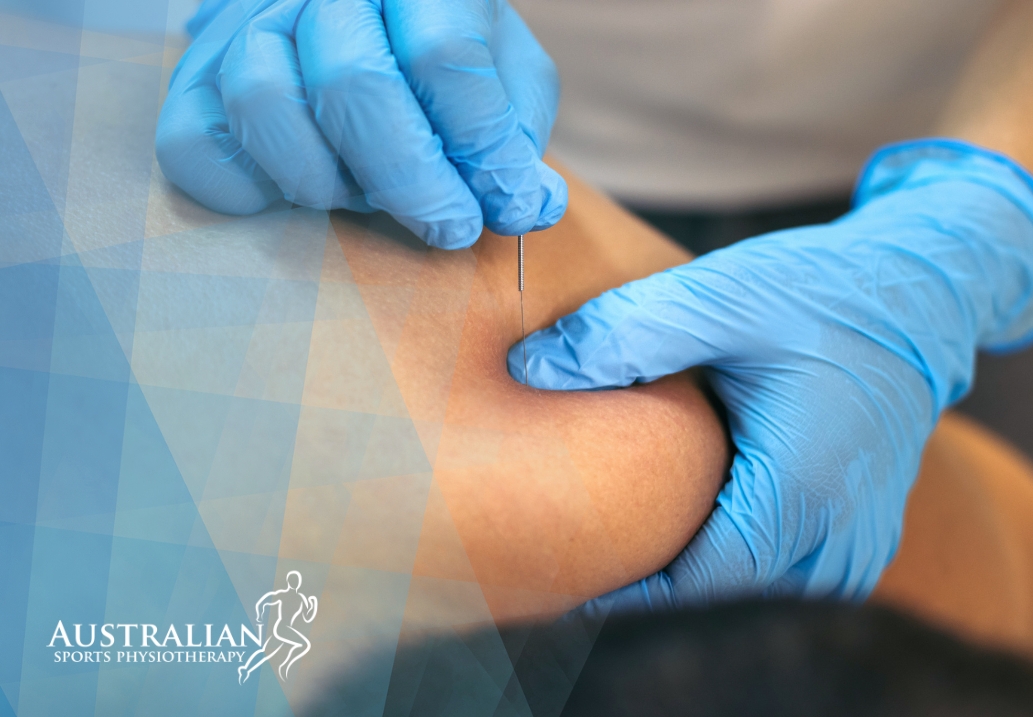
If you’ve been dealing with a stubborn knot in your neck, persistent lower back tightness, or a muscle that just won’t release no matter how much you stretch, someone has probably mentioned dry needling to you at some point. It sounds intense, and the name doesn’t exactly help. But for a lot of people, it turns out to be one of the more useful tools a physio can reach for.
So what is dry needling, what does it actually do to your muscles, and is it worth trying? Here’s a plain-language breakdown.
What Is Dry Needling?
Dry needling is a physiotherapy technique that uses thin, sterile filament needles to target specific points within muscle tissue. The term “dry” refers to the fact that nothing is injected. The needle itself is the treatment.
It’s often confused with acupuncture, and while both use similar-looking needles, the intent and underlying framework are different. Acupuncture is rooted in traditional Chinese medicine and works with the body’s meridian system. Dry needling is grounded in Western musculoskeletal science and targets what are known as myofascial trigger points, tight, hyperirritable bands of muscle that can cause local pain and refer discomfort to other parts of the body.
A physio trained in dry needling uses anatomical knowledge and clinical assessment to identify these trigger points before treatment begins. It’s typically one component of a broader physiotherapy plan, and may not be just a standalone procedure.
What Happens During a Dry Needling Treatment?
Before the needle goes anywhere, your physio will do a thorough assessment. They’ll palpate the muscle, identify the trigger point, and walk you through what to expect.
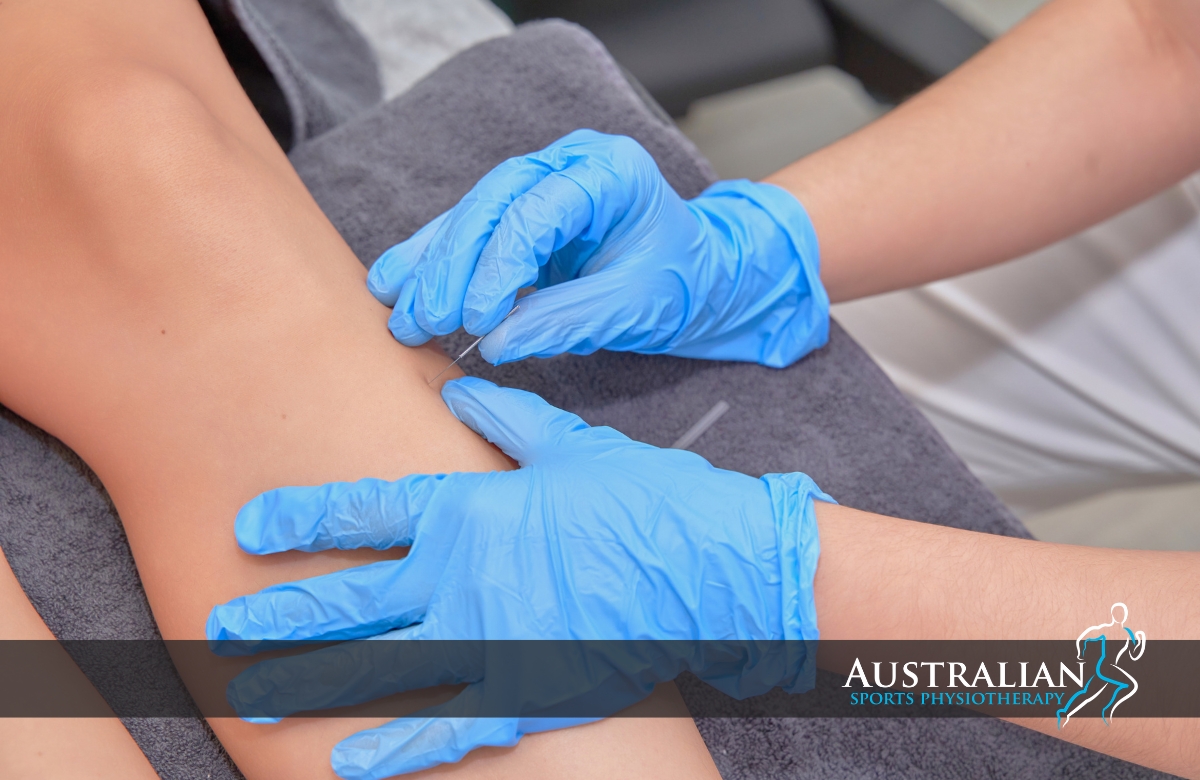
The needle is inserted directly into the trigger point. In many cases, this produces what’s called a local twitch response, a brief, involuntary muscle contraction that can feel like a short cramp or deep ache. It typically passes within a second or two, and most patients find it manageable.
Some people feel very little. Others notice a referred sensation elsewhere in the body, which actually helps confirm that the trigger point is active and relevant to their symptoms. After the needle is removed, the muscle typically feels different: less guarded, softer, and often easier to move.
Sessions generally run for 30 minutes as part of a broader physiotherapy consultation. The number of needles used depends on the area being treated and how your body responds to the technique. The therapist may stimulate the needle by moving it up and down and directing it at other bands of tight muscle, and leaving them for a few minutes as the muscles and the client relax.
What Dry Needling Actually Does to Your Muscles
The local twitch response is more than just a reflex. It initiates a cascade of physiological changes in the muscle.
When a trigger point is needled, the sustained contraction at that site is interrupted. The needle causes a brief depolarisation of the muscle fibres, which resets the motor endplate (the junction between the nerve and the muscle) and allows the tissue to return to a more normal resting state. In areas of chronic tension, this reset can be meaningful.
Blood flow to the region increases following the twitch response. Trigger points are typically associated with reduced local circulation, which contributes to a build-up of metabolic waste products, including substances that sensitise pain receptors. Improved circulation helps flush these out and creates a more favourable environment for tissue recovery.
There is also evidence that dry needling modulates pain through the central nervous system, not just at the local muscle level. The needle insertion activates mechanoreceptors and stimulates the release of endogenous opioids, which contributes to the broader pain relief some patients experience beyond the specific area treated.
These physiological effects are best supported when dry needling is combined with exercise, load management, and manual therapy, which is how it’s integrated at Australian Sports Physiotherapy.
What Dry Needling Can Help With
Dry needling is used for a range of musculoskeletal conditions, particularly those with a myofascial component. Common presentations include:
- Neck pain. Tension-related headaches, upper trapezius tightness, and whiplash-related muscle guarding are among the most common presentations. The upper neck is one of the most responsive areas for this technique.
Read more about our approach to neck pain treatment.
- Lower back and spinal pain. Chronic lower back tightness often involves paraspinal trigger points that respond well to needling, particularly when combined with core rehabilitation.
See how we approach low back and spinal pain management.
- Sports injuries and muscle recovery. Muscle strains, overuse injuries, and delayed onset muscle soreness often involve trigger points that slow recovery. Dry needling can help resolve residual tightness after the acute phase has settled and is commonly used alongside sports rehabilitation programs.
- Shoulder and hip tension. Deep muscles like the gluteus medius, piriformis, and rotator cuff structures are difficult to reach with manual therapy alone. The needle provides access to tissue layers that hands cannot adequately address.
It’s worth noting that a clinical assessment is always the starting point. Dry needling isn’t appropriate for every presentation, and your physio will determine whether it fits your situation before any treatment begins.
What to Expect After a Session
It’s common to feel some muscle soreness in the 24 to 48 hours following treatment. This is a normal inflammatory response, not a sign that something went wrong. The area may feel tender to touch, similar to post-exercise soreness.
Most patients notice improvement in muscle mobility or pain levels within a day or two, once that initial soreness settles. How many sessions you’ll need depends on the nature of your problem, how long it has been present, and what else is being addressed alongside the needling.
Some people respond well within two to four sessions. Sometimes, the closer the sessions are in an acute injury, the better. Others with more complex or longstanding presentations may need more. Your physio will reassess at each appointment and adjust the approach based on how you’re tracking.
When Dry Needling May Not Be Appropriate
Dry needling isn’t the right fit for every situation, and it’s important to know that upfront. The technique is not recommended for people with a needle phobia, those on certain blood-thinning medications, individuals with localised infections or skin conditions at the treatment site, or those in the first trimester of pregnancy.
It’s also not a substitute for addressing the underlying cause of a problem. If poor movement patterns, muscle weakness, or load management issues are driving your symptoms, dry needling can support recovery but won’t resolve the root cause on its own.
A thorough physiotherapy assessment will determine whether dry needling is appropriate for your situation and how it fits into your overall treatment plan.
Dry Needling at Australian Sports Physiotherapy
At Australian Sports Physiotherapy, dry needling is carried out by qualified physiotherapists at our Ivanhoe and Coburg clinics. It’s used as one component within a thorough, evidence-based approach to musculoskeletal care. Our physiotherapy services cover a wide range of conditions, and dry needling fits into that picture when it makes clinical sense.
Before any needling takes place, your physio will conduct a full assessment to understand your symptoms, identify relevant trigger points, and explain what the technique involves. You’re always in control of what happens during your session, and the treatment plan is built around your specific goals.
Dry Needling: Your Questions Answered
| Question | Answer |
|---|---|
| What is dry needling? | Dry needling is a physiotherapy technique that uses thin, sterile needles to target myofascial trigger points within muscle tissue. It aims to release sustained muscle tension, improve local blood flow, and support the body’s natural pain modulation processes. No substance is injected. |
| Is dry needling painful? | Most patients experience a brief local twitch response during needling, which can feel like a short cramp or deep ache lasting a second or two. Some soreness in the treated area is normal for 24 to 48 hours after a session. The overall experience is generally well tolerated. |
| What conditions can dry needling help with? | Dry needling is commonly used for neck pain, lower back pain, shoulder tension, sports injuries, and chronic muscle tightness. It is most effective when used as part of a broader physiotherapy treatment plan that includes exercise and load management. |
| How is dry needling different from acupuncture? | Both use thin needles, but the frameworks differ. Acupuncture is rooted in traditional Chinese medicine and works with the body’s meridian system. Dry needling is based on Western musculoskeletal science and specifically targets myofascial trigger points to relieve muscle tension and pain. |
| How many dry needling sessions will I need? | The number of sessions varies depending on the condition, how long symptoms have been present, and individual’s response to treatment. Some people notice improvement within two to four sessions. Your physiotherapist will reassess at each appointment and adjust the plan accordingly. |
Final Thoughts
Dry needling isn’t a cure-all, and it doesn’t work for everything. What it offers is a targeted way to interrupt persistent muscle tension, restore local circulation, and support the nervous system in processing pain differently. For the right presentation, it can meaningfully accelerate recovery and reduce discomfort that hasn’t responded to other approaches.
If stubborn muscle tightness or pain has been lingering without resolution, a conversation with a physio about dry needling is worth having. Book a Dry Needling Assessment at Australian Sports Physiotherapy