
Physiotherapy
Physio vs Remedial Massage: Which One Do You Actually Need?
Physio and remedial massage can look similar from the table, but they solve different problems. Here’s how to tell which one your injury or pain actually needs.

Physio and remedial massage can look similar from the table, but they solve different problems. Here’s how to tell which one your injury or pain actually needs.

If you’ve been told shoulder surgery is an option, you may have more choice than you think. Here’s what the research says about when physio can match surgical outcomes, and when it genuinely can’t.
Your surgeon clears the procedure and physiotherapy begins, but what actually happens in the weeks after? This guide walks through the first 12 weeks of shoulder rehab after surgery, phase by phase, including why your program changes every few weeks and when your timeline might look different from someone else’s.
The number of physio sessions you need depends on your condition, how long you have had it, and how your body responds to treatment. Here is an honest breakdown by injury type, from acute sprains to post-surgical rehab.
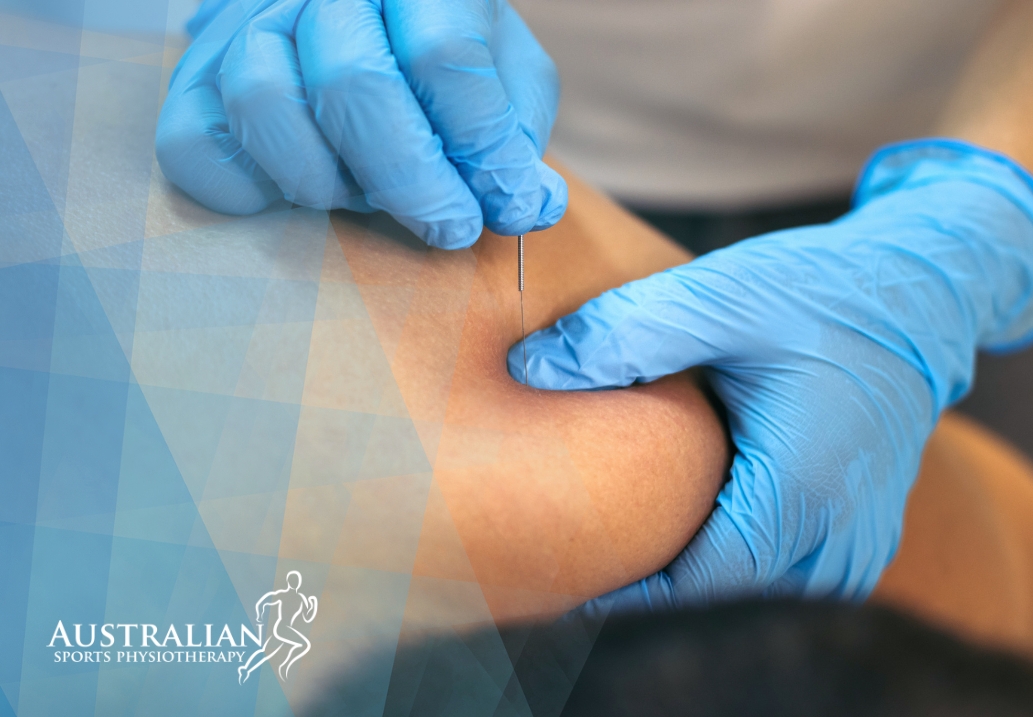
If you’ve been dealing with a stubborn knot in your neck, persistent lower back tightness, or a muscle that just won’t release no matter how much you stretch, someone has probably mentioned dry needling to you at some point. It sounds intense, and the name doesn’t exactly help. But for a lot of people, it

Running feels simple. One foot in front of the other, a steady rhythm, the freedom of forward motion. Yet beneath that simplicity lies a complex interplay of muscles, joints, load, and repetition — and even small imbalances can quietly build into injury over time. Many runners assume injuries happen because they trained too hard or

Sports injuries can occur during training, competition, or recreational activity. Some settle quickly with rest, while others continue to affect movement, strength, or performance. Many people try to push through discomfort or wait for symptoms to improve. In some cases this works, but persistent pain or reduced movement can signal that the body is struggling

Living with arthritis can feel like a daily challenge. Some days your joints move comfortably, while on others even simple tasks can trigger stiffness or pain. Over time, this unpredictability can affect not only physical comfort but also confidence and independence. Many people come to accept joint pain as unavoidable, assuming that medication or rest

One misstep is all it takes—your foot rolls, a sharp pain hits, and suddenly walking becomes a challenge. Ankle sprains happen fast and often, yet many people underestimate how serious they can be. Maybe your ankle swelled right away, or maybe you’ve had sprains before and worry this one might linger. Each sprain has a
Hip or groin pain has a way of interrupting even the simplest movements—walking, standing up, or turning in bed can suddenly feel stiff or uncomfortable. Maybe the discomfort came on gradually, or maybe it appeared after a quick twist or strain. Either way, it can limit your confidence and make daily tasks harder than they

You’re in the middle of a lift, everything feels solid—until that familiar pinch in your shoulder flares up again. It’s not enough to stop you, but it’s always there, holding you back from hitting your full potential. Shoulder impingement is one of the most common injuries among weightlifters, especially those pushing for heavier loads or
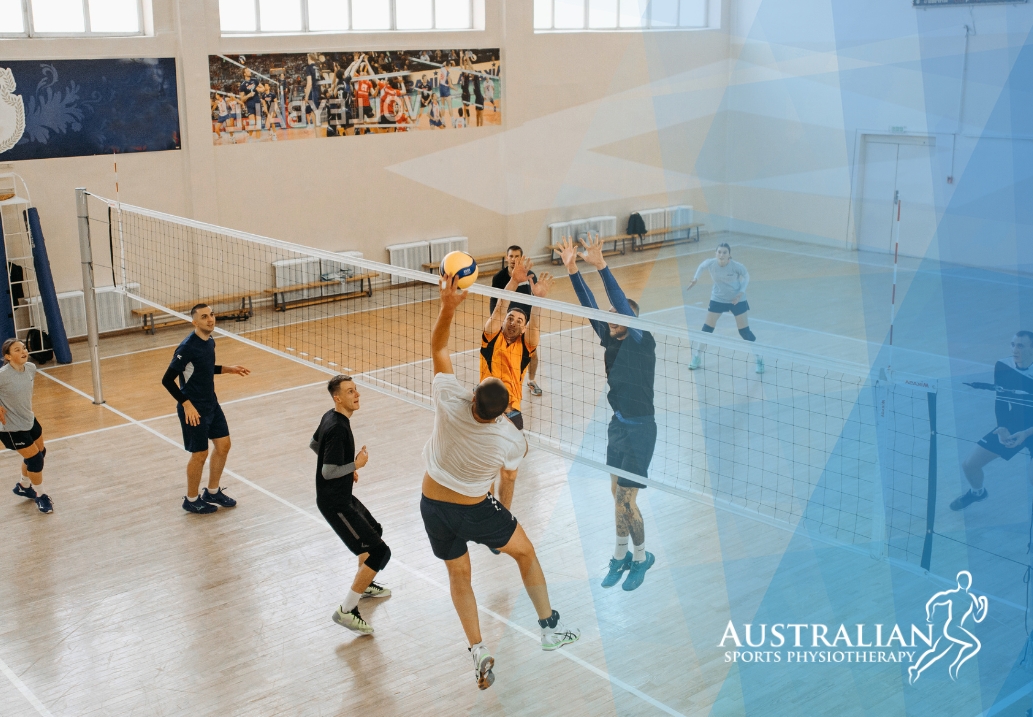
Lower back pain can be a game-ender for volleyball players—whether you’re spiking, diving, or just powering through a long match. The explosive movements and constant jumping put your spine under serious stress, especially if your form isn’t perfect or your body isn’t conditioned for the intensity. Perhaps you’ve begun to feel that familiar ache after