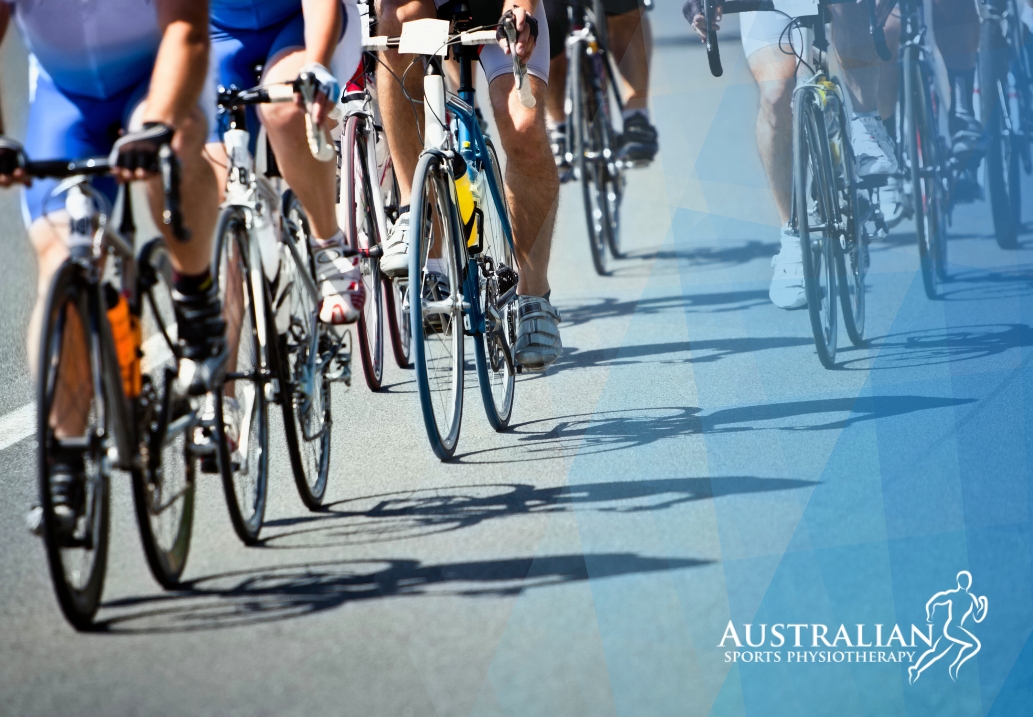
Many riders assume cycling is gentle because it’s easy on the joints; however, the hours spent repeating the same motion, as well as small issues in posture or setup, can add up.
That’s why many of our patients are cyclists with sore knees, hips, or lower backs.
If we’re talking about joint-loading (the literal thumping of feet on pavement), cycling is the king of low-impact. But if we’re talking about the systemic toll on the body, it’s a high-intensity sport that can be surprisingly “high-impact” in ways people often overlook.
The reality behind the “low-impact” myth of cycling
1. The postural toll
Cycling isn’t natural for the human spine. You’re often hunched over bars (thoracic flexion) for hours, which can lead to:
- “Cyclist’s kyphosis”: Chronic rounding of the upper back.
- Nerve compression: Ulnar neuropathy (hand numbness) or “perineal” issues definitely have a high impact on your quality of life.
2. Bone density issues
Because cycling is non-weight-bearing, it does almost nothing to build bone density. In fact, professional cyclists often have lower bone density than sedentary people because they sweat out calcium and don’t get the “impact” (stress) needed to stimulate bone growth. In that sense, its “low-impact” nature is actually a health risk.
3. Overuse and repetition
A typical cyclist might spin at 90 RPM. Over a three-hour ride, that’s over 16,000 revolutions. Even with perfect form, that level of repetition can lead to:
- Patellar tendonitis (runner’s knee without the running).
- Hip flexor shortening.
- Chronic lower back strain.
4. The metabolic hammer
High-intensity intervals or ‘100-mile gran fondo’ are massive stressors on the central nervous system and the heart. Just because your knees aren’t clicking doesn’t mean your endocrine system isn’t taking a beating.
Common causes of most cycling injuries
- Load, which is essentially how much stress the body is subjected to
- Load distribution, how evenly the load is shared through the legs, hips, and spine.
Common triggers include
- Increasing your training too quickly.
- Riding long distances without enough recovery.
- Poor cycling posture, bike fit or saddle position.
- Fatigue — when form breaks down late in a ride.
- Pedalling
Good cycling isn’t just about the strength in your legs. Your hips, core, and even feet all help deliver smooth power to the pedals.
When one link in that chain isn’t doing its job, for example, weak glutes or a stiff lower back, other muscles overwork to compensate.
Over time, this can lead to what we call “power leaks” – wasted energy and poor efficiency, which leads to pain.
- Load management
Our tissues (muscles, tendons, cartilage) require load; however, the load must match the tissue’s capacity. Too little load and they get weak. Too much, too soon, and they can become inflamed or break down.
When it comes to load management, the goal is to find a “sweet spot” – the load your body can tolerate and adapt to.
That means:
- Gradually building up distance and intensity.
- Taking rest days seriously.
- Adjusting your bike and position to reduce unnecessary strain or load.
Common areas of pain in cyclists
1. Lower back and pelvis
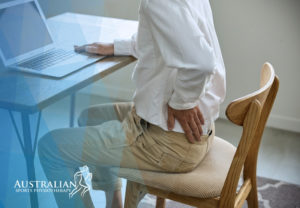
Long hours in the saddle can round your lower spine or cause the pelvis to tilt awkwardly – especially under high loads.
When that happens, your back muscles have to work overtime, especially in aggressive “aero” positions, and as such can be overloaded.
Strengthening your core endurance and sitting tall with a slightly tilted-forward pelvis rather than a curved lower back can help reduce pain in the lower back.
2. Hips
The hips, in particular the glutes, are the powerhouse of the body when it comes to cycling. But when the glutes are weak or tight, smaller muscles at the front of the hip take over, causing anterior hip pain or pinching at the top of the pedal stroke.
Working on glute strength and control, as well as core strengthening, is of paramount importance. Check that your saddle isn’t too high or too far forward.
3. Knees
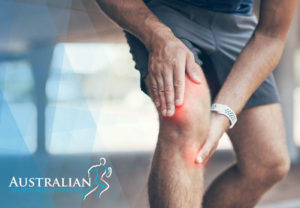
Knee pain is widely considered to be the most common form of cycling-related pain. Pain often comes from the knee tracking inwards (valgus) or from overuse of the quads without enough hip support, and often from large amounts of knee flexion at the top of the pedal stroke, which accentuates the load on the knee (due to poor bike fit).
It is important to keep your knees aligned over your feet and make sure cleats and saddle height are appropriately adjusted. Add single-leg strength work off the bike.
4. Feet and ankles
Power starts at the pedal. If your foot collapses inward or your heel drops too much, energy is lost, and strain moves up the chain to the knee and hip.
A key tip is to push through the ball with the inside edge of your foot.
The chain of movement
Cycling works as a connected system or chain of movement. If one area is weak or tight, another has to pick up the slack.
For example:
Weak glutes → front-of-hip overload → low-back strain → knee tracking errors →
foot instability
That’s why treating a sore knee often starts with fixing your hip or core control.
How a physio bike fit helps
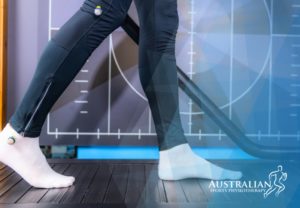
A physio-led bike fit finds the root cause of your pain by assessing:
- How your body moves
- Which muscles are over- or under-working
- How does your posture change as you fatigue
With the right tweaks to your setup and training, you can ride faster, more comfortably, and with fewer injuries.

Final thoughts
Cycling is low-impact on your cartilage, but it can be high-impact on your posture, bone health, and nervous system.
Cycling injuries are the result of load, posture, and fatigue. By understanding how your body handles those forces, you can keep pedalling pain-free for years to come.