A surgeon has told you that surgery is an option. Maybe it was framed as the logical next step, or maybe the decision was left entirely in your hands. Either way, you’re now weighing something significant: go ahead with the procedure, or try physiotherapy first.
The shoulder surgery vs physio question comes up constantly for patients with rotator cuff tears, shoulder impingement, labral injuries, and osteoarthritis. The honest answer isn’t straightforward. The research doesn’t uniformly favour one path, and the right choice depends on the type of injury, how long symptoms have been present, and what your functional goals are.
This article breaks down what the evidence actually says, and what that means practically for someone at this decision point.
What the Research Shows About Shoulder Surgery Outcomes
For certain shoulder conditions, surgery produces clear benefits. A complete rotator cuff rupture in an active, working-age patient, or an unstable labral tear causing repeated dislocations, involves a structural problem that exercise alone cannot fix.
The picture becomes more complicated for partial tears and subacromial pain syndrome (sometimes called shoulder impingement). Multiple randomised controlled trials over the past decade have compared surgical decompression against physiotherapy, and in some cases against sham surgery. The results have been striking.
The Finnish Subacromial Impingement Arthroscopy Controlled Trial (FIMPACT), published in The BMJ, found no statistically significant difference in pain and function scores between the surgical group and the exercise therapy group at 12 months. The CSAW trial in the UK reached similar conclusions, comparing arthroscopic subacromial decompression, sham surgery, and active monitoring. Sham surgery and real surgery produced comparable outcomes.
For rotator cuff tears specifically, a 2024 systematic review in the Journal of Bone and Joint Surgery found that for partial-thickness tears and smaller full-thickness tears, structured physiotherapy produced comparable strength and pain outcomes to surgery at 1-year and 2-year follow-up. These findings don’t apply uniformly to all tear types or all patients, but they do challenge the assumption that surgery is always the faster or more reliable route.
When Physio Tends to Be the Right First Step
If shoulder pain relates to subacromial impingement, bursitis, or a partial rotator cuff tear in a mechanically stable shoulder, a structured physiotherapy program is generally the recommended starting point. This reflects the position of most orthopaedic guidelines, including those from the Royal Australian and New Zealand College of Surgeons.
A well-structured program typically runs 8 to 12 weeks. The focus is on restoring rotator cuff activation and scapular control, reducing pain through graded loading, addressing postural contributors, and building back toward the activities that matter to you.
Many patients who initially expected to need surgery find that symptoms resolve or become manageable enough that an operation is no longer necessary. That isn’t always the outcome, but it’s common enough that a genuine trial of physiotherapy is worth undertaking before committing to surgery.
For people already on a surgical waitlist, prehabilitation is worth raising with your surgeon. Patients who arrive at surgery with better strength, mobility, and neuromuscular control tend to have shorter post-operative rehabilitation periods and better functional outcomes. When the recovery phase typically runs 3 to 6 months, that matters.
When Surgery Is Likely the Clearer Path
There are situations where physiotherapy as a first step isn’t appropriate, or where delay would cause harm.
A complete rotator cuff rupture in a patient under 60 who wants to return to overhead sport or manual work generally warrants surgical assessment without a lengthy conservative trial. The repair window narrows over time as the tendon retracts and muscle quality deteriorates. Waiting several months in this situation can reduce what’s achievable surgically.
Acute traumatic instability in a young athlete, particularly a first-time dislocation with a confirmed Bankart lesion, also tends to favour early surgical stabilisation. The recurrence rate for shoulder instability managed non-surgically in this group runs as high as 80 to 90 percent in some studies.
Other clear indicators for surgical assessment include a failed conservative management period (typically 3 to 6 months of structured physiotherapy with no meaningful improvement), ongoing instability that limits daily function despite strengthening, and imaging findings pointing to a structural problem unlikely to resolve without repair.
Surgery and physiotherapy are not competing approaches. They often work best in sequence, with physio either as the primary treatment, as preparation before surgery, or as post-surgical rehabilitation afterward.
What Shoulder Physiotherapy Assessment and Rehabilitation Actually Involves
A physiotherapy assessment for shoulder pain goes beyond identifying where it hurts. The physio looks at how the shoulder blade moves relative to the arm, whether the rotator cuff muscles are activating correctly, which planes of motion are restricted and why, and whether the cervical or thoracic spine is contributing to the presentation.
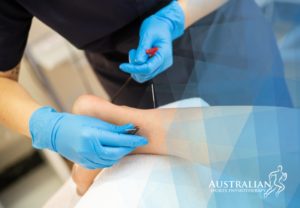
From that assessment, treatment is built around what your shoulder specifically needs. This might include hands-on work to restore joint mobility, dry needling to address muscle inhibition, education on load management, and a progressive exercise program that builds across your sessions.
For people who have already had surgery, post-surgical shoulder rehabilitation is the phase that largely determines how well the repair translates into real function. A physio who understands the specific procedure and tissue healing timelines can guide load progression appropriately, reducing re-tear risk and supporting a meaningful return to sport, work, or everyday activities.
Questions Worth Asking Before You Decide
If you’ve been offered surgery as an option, a few questions help sharpen the decision:
- Has a structured trial of physiotherapy already been attempted? Most guidelines recommend this as the starting point for impingement and partial tears.
- Is the shoulder mechanically stable? Instability causing repeated dislocations is harder to address through exercise alone.
- What are the functional goals? A professional overhead athlete and someone managing pain well enough to sleep comfortably will have different decision-making criteria.
- What is the expected recovery timeline with and without surgery? The difference can be significant.
Getting input from a physio with experience in rotator cuff injuries and shoulder rehabilitation can help clarify what’s realistic non-surgically before finalising a plan with your surgeon.
Physiotherapy vs Shoulder Surgery: Your Questions answered
| Question | Answer |
|---|---|
| Is physiotherapy as effective as shoulder surgery? | For many shoulder conditions, including subacromial impingement and partial rotator cuff tears, research shows physiotherapy produces comparable outcomes to surgery at 12 months. Surgery remains more appropriate for complete ruptures, structural instability, or cases where conservative management has not improved symptoms. |
| How long should I try physio before considering shoulder surgery? | Most clinical guidelines recommend a structured physiotherapy trial of 8 to 12 weeks before considering surgery for shoulder impingement or partial tears. If there has been no meaningful improvement after this period, surgical assessment is a reasonable next step. |
| What shoulder conditions usually require surgery? | Complete rotator cuff ruptures in active patients, traumatic shoulder instability with labral damage, and cases where 3 to 6 months of physiotherapy has not produced improvement are the most common situations where surgery is recommended over conservative management. |
| Do I need physiotherapy after shoulder surgery? | Yes. Post-surgical rehabilitation is central to shoulder surgery recovery and largely determines how well the repair translates into real function. A structured program reduces re-tear risk and supports return to work, sport, and daily activities. |
| What does a shoulder physiotherapy assessment involve? | A shoulder physiotherapy assessment evaluates shoulder blade movement, rotator cuff activation, joint range of motion, and whether the neck or thoracic spine is contributing to symptoms. This forms the basis for a targeted treatment plan specific to the individual’s injury. |
| Is prehabilitation before shoulder surgery worth doing? | Yes. Research consistently shows that patients who complete physiotherapy before surgery arrive with better strength and mobility, which is associated with faster post-operative recovery and improved functional outcomes. |

Final Thoughts
The shoulder surgery vs physio decision is not one-size-fits-all, and the evidence supports being deliberate rather than reflexive. For a range of common shoulder conditions, particularly impingement and partial tears, a well-executed physiotherapy program produces outcomes comparable to surgery without the recovery period, cost, or surgical risk. For other presentations, surgery is the right call, and physiotherapy plays a central role in preparing for it and recovering from it.
If you’re currently weighing your options, a shoulder assessment at Australian Sports
Physiotherapy can help clarify the nature of your injury and what the evidence suggests for your specific situation. Our team works closely with GPs and surgeons and can support conservative management or coordinate care if surgery turns out to be the right path.
Book a shoulder assessment at one of our Melbourne clinics: Book Online