
Physio vs Remedial Massage: Which One Do You Actually Need?
Physio and remedial massage can look similar from the table, but they solve different problems. Here’s how to tell which one your injury or pain actually needs.

Physio and remedial massage can look similar from the table, but they solve different problems. Here’s how to tell which one your injury or pain actually needs.

Bursitis treatment can feel like it never quite holds, especially when shoulder, hip or knee bursitis keeps flaring months after it seemed to settle. Here’s what’s usually driving the recurrence, and how physiotherapy treats the cause rather than just the current flare.

If you’ve been told shoulder surgery is an option, you may have more choice than you think. Here’s what the research says about when physio can match surgical outcomes, and when it genuinely can’t.

The number of physio sessions you need depends on your condition, how long you have had it, and how your body responds to treatment. Here is an honest breakdown by injury type, from acute sprains to post-surgical rehab.

Living with arthritis can feel like a daily challenge. Some days your joints move comfortably, while on others even simple tasks can trigger stiffness or pain. Over time, this unpredictability can affect not only physical comfort but also confidence and independence. Many people come to accept joint pain as unavoidable, assuming that medication or rest

You’ve tried resting. You’ve taken the medication. Maybe you’ve even seen a few specialists. But the pain just won’t go away—and it’s starting to feel like no one truly understands what you’re going through. Chronic pain can be one of the most frustrating and isolating experiences. Unlike a simple injury that heals with time, this

Have you ever felt restricted by tight joints or experienced discomfort that limits your daily activities? Overcoming mobility issues can feel overwhelming, but there’s hope on the horizon. Joint mobilisation techniques have emerged as vital tools in physiotherapy, offering targeted approaches to enhance range of motion and alleviate pain. These techniques, rooted in decades of

Have you ever wondered why some injuries linger despite following conventional treatment plans? Could the key to your recovery lie in the intricate analysis of your movement? The answer might surprise you. The importance of biomechanics in physiotherapy cannot be overstated. This field, which examines the mechanics of human movement, plays a crucial role in

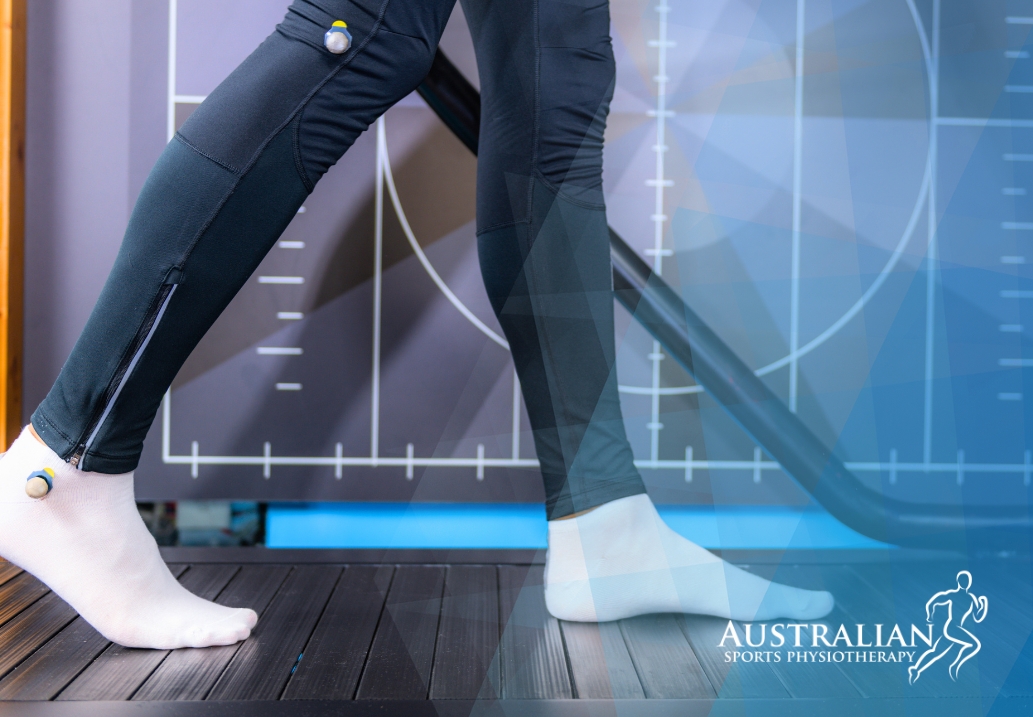
Have you ever paused to consider how something as simple as the way you walk could impact your overall health and athletic performance? Your gait—the patterns of movement you create with each step—plays a crucial role in preventing injuries and optimising your abilities. In an age where fitness is often seen through the lens of

Have you ever wondered why your muscles ache after an intense workout or why some athletes bounce back faster than others? The truth is, muscle recovery is not just about rest; it’s a complex science that can make or break your fitness journey. In the relentless pursuit of strength and endurance, many overlook the critical

Have you ever wondered why core stability plays a crucial role in physiotherapy rehabilitation? The core muscles are the powerhouse of our body, providing essential support and stability for everyday movements. Integrating core stability into rehabilitation programs can significantly enhance recovery and prevent future injuries. Physiotherapy rehabilitation aims to restore function and improve quality of

Are you tired of the same old Pilates routines for core stability enhancement in physiotherapy? Looking for alternative approaches that can help you achieve better results and keep things interesting? Pilates has long been a popular choice for improving core strength and stability in physiotherapy settings. While effective, it’s important to explore other options to