
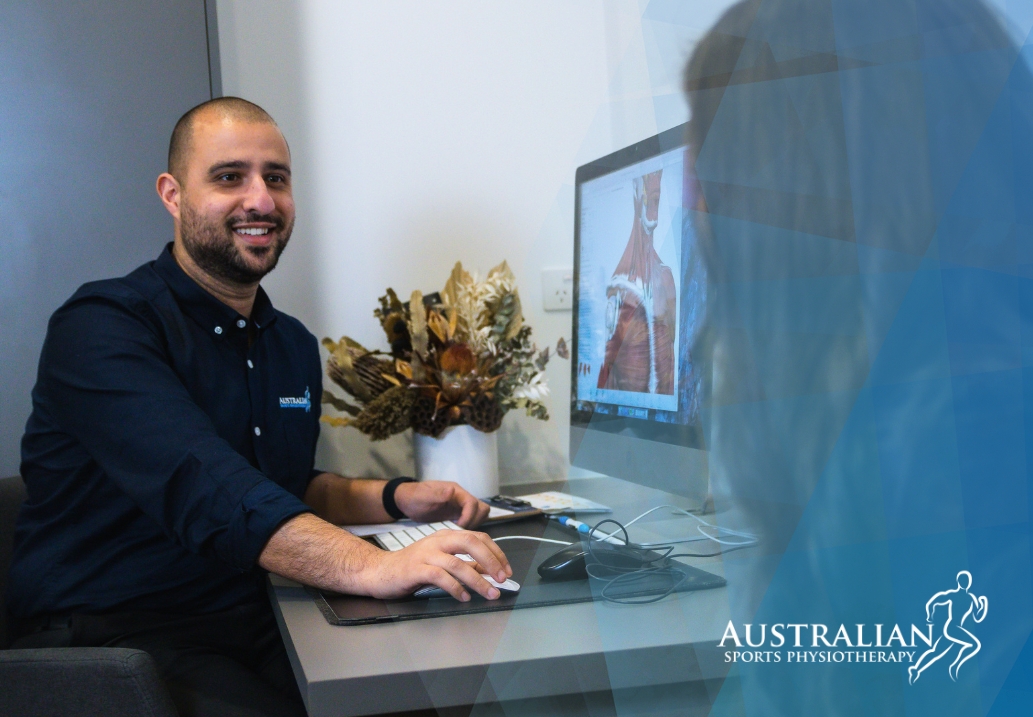
Booking a first physio appointment can feel more stressful than the visit turns out to be. Plenty of new patients worry about whether they will have to undress or whether treatment will hurt. Others put off booking because they are not sure their injury is bad enough to bother a physio with. These are reasonable things to wonder about, and the answers are usually reassuring.
A physio appointment starts with a conversation and an examination, and you stay in charge of what happens at each step. This guide walks through what to expect from the booking to the days after your first visit, so the day itself holds no surprises.
Ready to book? Book online or call 1300 651 256. No referral is required for a standard appointment.
Before You Book Your Physiotherapy Appointment
Most people can book a physiotherapy appointment online in a couple of minutes, and a standard visit does not need a referral from your GP. Funded care is the exception. If you are coming through Team Care (EPC) (now called CDM (Chronic Disease Management Plan)) or DVA, you will need a referral from your doctor, so it helps to have that sorted before the day.
You also do not need to know what is wrong. Saying “my knee hurts going down stairs” is a good enough starting point. Working out the cause is the physio’s job, and it is the main reason the first session exists. Australian Sports Physio runs clinics across four Melbourne suburbs, so you can choose the location that suits your week.
What to Wear to Physio and What to Bring
Wear something comfortable that you can move in. The physio needs to see and move the sore area, so shorts suit a hip, knee or ankle problem, and a singlet or fitted t-shirt suits a shoulder or neck problem. You will only be asked to expose the area being assessed. If anything feels uncomfortable, say so and your physio will adjust how they work.
Bring whatever helps your physio see the full picture:
- Any referral or funding paperwork (EPC, TAC, WorkCover or DVA)
- Scans, X-rays or reports from earlier investigations, if you have them
- A list of your current medications that may affect treatment and relevant medical conditions
- The shoes you train or work in, if your problem shows up when you run, walk or stand
- A rough idea of the activities you want to get back to
What Happens During Your First Physiotherapy Appointment
The first appointment is an assessment. Standard consultations run for 30 minutes, and that time is organised around building a clear picture of what is going on.
The Conversation
Your physio will start by asking about your history. Where it hurts is only part of it. They also want to know how the problem started, what makes it better or worse, how it affects your sleep and work, and what you are hoping to get back to. This part matters more than people expect, and it often points the physio towards a likely cause before any hands-on work begins.
The Physical Examination
Next comes the physical examination. Depending on your problem, your physio might test the range of movement in a joint, check muscle strength, feel how the joints and soft tissues respond, and watch how you move through a squat, a step or an overhead reach. A thorough physio assessment looks for what is driving the problem, which is often a joint or two away from the sore spot. A knee that hurts on stairs, for example, can trace back to hip strength or ankle stiffness.
Hands-On Treatment
Most first appointments may include some treatment as well. Depending on what the examination shows, that might be joint mobilisation, soft tissue work or dry needling where it is appropriate. The main focus of the session is still the assessment, so the amount of treatment varies from person to person, as getting to the route cause of the issue during this session prepares lays the foundations of a shorter and more effective treatment plan..
Your Diagnosis and Plan
By the end of the session you should leave with a working diagnosis and a plain-language explanation of what is driving your symptoms. You should also have a treatment plan that sets out the recommended number of sessions. Your physio may use 3D interactive models, drawings or simple examples to explain what is going on, and you are welcome to ask as many questions as you like. If something is unclear, ask again. Clear communication is part of the job and the more you ask, the more equipped you will be to overcome your injury..
Want to see how this works in practice? Book your first physio appointment online and the team will take it from there.
Common Worries About a First Physio Appointment
“I Do Not Know What Is Wrong With Me”
That is the usual reason people book. You do not need a diagnosis or a scan before you come, and describing your symptoms in your own words is enough.
“Will It Hurt?”
Your physio will tell you what they are about to do and check that you are comfortable with it. Some assessment movements may reproduce your pain briefly, because that is how a physio locates the source. Some people feel a little sore for a day or so after hands-on treatment or dry needling. Speak up at any point if something is too much. You can ask your physio to stop or change approach whenever you like.
“My Injury Might Not Be Serious Enough”
Physios see everything from a niggle that has lingered for months to a sudden injury from weekend sport. Getting a problem assessed early gives you a clearer idea of what to do about it, and for many people that reassurance is useful in itself.
“I Get Nervous at Appointments”
That is common, and physios are used to it. Mention it to the reception team or your physio at the start. A few minutes spent talking through the plan for the session often settles the nerves.
What Happens After Your First Physio Appointment
Before you leave, you will usually have an exercise program to start at home and a plan for when to come back. Follow-up appointments also run for 30 minutes and typically combine hands-on treatment with guided exercise for your specific problem. As treatment progresses, the hands-on component usually reduces and the active rehab increases. That shift is intentional. The goal is for you to manage your own body with confidence, with no need to rely on treatment indefinitely.
How many visits you need depends on the condition, how long you have had it and how your body responds. Our guide on how many physio sessions you will need gives estimates by condition. Your physio will reassess at regular intervals and adjust the plan if recovery moves faster or slower than expected.
When Physio May Not Be the Right First Step
Some situations need a doctor first. Go to your GP or an emergency department (or call 000 in an emergency) if you have had a significant fall or impact and suspect a fracture, if back pain comes with numbness around the groin or a loss of bladder or bowel control, or if a joint is hot and swollen and you also have a fever. Chest pain or any sudden, severe symptom also belongs with emergency services.
Physio is also not the main treatment for acute fractures or active inflammatory arthritis flare-ups. If your assessment shows something that needs further investigation, your physio will refer you on. Australian Sports Physio works closely with sports medicine doctors and orthopaedic surgeons, and has a sports doctor GP service, so referral pathways are clear when they are needed.
Your First Physio Appointment: Your Questions Answered
| Question | Answer |
|---|---|
| What happens at a physio appointment? | A physio appointment starts with questions about your history and goals, followed by a physical examination of the sore area and the joints around it. Most first visits also include some hands-on treatment. You finish with a working diagnosis, a plain-language explanation and a plan for the sessions ahead. |
| How long is a first physio appointment? | Standard consultations at Australian Sports Physio run for 30 minutes. That time covers your history, the examination, some treatment where appropriate and a discussion of your plan. Follow-up appointments are also 30 minutes, so arriving a few minutes early helps you settle in. |
| Do I need a referral to see a physio? | No referral is needed for a standard physiotherapy appointment. If you are booking under Team Care (EPC), TAC, WorkCover or DVA, you will need a referral from your doctor. If you are unsure which applies to you, call the clinic on 1300 651 256 before you book. |
| What should I wear to my first physio appointment? | Wear comfortable clothes you can move in that let the physio see the sore area. Shorts suit hip, knee and ankle problems, and a singlet or fitted t-shirt suits shoulder and neck problems. Bring any scans or referral paperwork, and your usual training shoes if running or walking is affected. |
| Will my first physio appointment hurt? | Examination movements can briefly reproduce your symptoms, because that is how a physio finds the source of a problem. Your physio should explain each step and check you are comfortable. Some people feel sore for a day or so after treatment. Tell your physio if anything is too much and they will adjust. |

Final Thoughts
Your first physio appointment is an assessment. You talk, you get examined, you hear what is going on and you leave with a plan. Nothing about it requires you to arrive with a diagnosis or to feel relaxed from the first minute.
If you have been putting off a physio appointment because you were not sure what to expect, you now have a good idea. No referral is required for a standard visit.
Book a physiotherapy assessment online with Australian Sports Physio, or call 1300 651 256 if you would rather talk it through first.