“Can physio make an injury worse?” is a question we hear at almost every first appointment, often asked in a low voice just before treatment starts. It shows up online too, in searches like “physio made my injury worse” from people who are still deciding whether to book at all.
The honest answer is that it can happen in some situations, and it is uncommon when the diagnosis is sound and the treatment load matches what your body can handle. Far more often, what feels like a setback is a short-lived reaction that settles within a day or two. Below, we separate normal soreness from a true aggravation and explain when you should see a doctor before a physio.
Can Physio Make an Injury Worse? What the Evidence Suggests
Research on musculoskeletal physiotherapy describes physiotherapy side effects as mild and temporary, with serious harm rare. Most people who feel worse after a session are responding to something new: a hands-on technique or an exercise their tissue has not handled recently.
A bad reaction still deserves attention. Rare does not mean never, and a good physio asks how you responded before doing anything else at the next visit.
Is It Normal to Be Sore After Physio?
A degree of soreness is common, most often after the first one or two appointments. Hands-on techniques, dry needling and new exercises all ask tissue to adapt, and the result can feel like the day after a hard session at the gym. Expect a dull ache or stiffness in the treated area that peaks within about 24 hours and eases over the following day or two. A short physio flare up after treatment is the most common version of this.
Reactions that sit within the normal range include:
- An ache similar to, or slightly above, your usual symptoms
- Stiffness or tiredness in the area that was treated or exercised
- Symptoms that peak within the first 24 hours and then ease
- Movement that returns to your usual range by the second or third day
How an Injury Can Be Made Worse
A true setback tends to have an identifiable cause. These are the patterns clinicians watch for most closely.
Load that outpaces the tissue
Tendons, muscles and joints strengthen when load increases in steps they can tolerate. Jump ahead too quickly, such as returning to sprinting before a hamstring strain can handle fast contractions, and the injury can flare. This can follow exercise that was progressed too fast in clinic, and it can follow extra training sessions squeezed in between appointments without anyone being told.
A diagnosis that does not match the problem
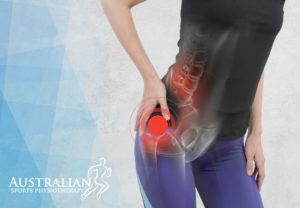
Pain in the buttock can come from the hip, the lower back or the muscle itself. Treating the wrong structure wastes time and may aggravate the real source. A thorough assessment that tests the neighbouring joints, not only the sore spot, lowers this risk. If your symptoms are not shifting after a reasonable trial of treatment, asking for a second opinion is a sensible next step.
Pushing through a clear warning sign
Some discomfort during rehab is expected. Sharp, escalating pain during a technique or exercise is a different matter, and it is a cue to stop and tell your physio on the spot. Good clinicians want that feedback and will change the approach.
Too little loading
Worse does not always mean a flare of pain. Extended rest or overprotecting an injury can leave muscles weaker and joints stiffer, so everyday tasks feel harder than they should. Appropriate loading is part of how tissue heals, which is why most modern rehab programs ask you to keep moving within safe limits.
Pain During Rehab: What Is Expected and What to Raise
Physio exercises often involve some discomfort. Many clinicians use a simple monitoring approach: mild to moderate discomfort during an exercise, commonly kept at or below about 4 out of 10, that settles within 24 hours is considered acceptable. Your physio may set slightly different limits depending on the injury, so treat these numbers as a rough guide.
| Within the expected range | Worth raising with your physio |
|---|---|
| A mild ache that eases within 24 to 48 hours | Pain that spikes sharply during a technique or exercise |
| Stiffness the morning after a session | Symptoms that stay above your usual level for more than two days |
| Tired or sore muscles after new exercises | New pain in a different area, or pins and needles that were not there before |
| Slightly more awareness of the injury for a day | Night pain that is getting worse, or less movement than before the session |
Raising these early is part of the treatment. Your physio can reduce the load, change the technique or pause an approach that is not agreeing with you.
When Physio Is Not the Right First Step
Some presentations need a medical assessment before physiotherapy begins, or alongside it. Seek prompt medical care if any of the following apply:
- A significant fall or impact followed by an inability to put weight on the limb, or a visible deformity
- Numbness, spreading weakness or loss of bladder or bowel control
- Fever, unexplained weight loss, or constant pain that does not ease with rest or a change of position
- A swollen, warm and tender calf, especially with chest pain or shortness of breath (call 000 or go to the nearest emergency department)
- Pain after major trauma where a fracture has not been ruled out
A physio who screens for these at your first assessment is doing the job properly, and will refer you on to a GP, sports doctor or imaging when the picture calls for it.
How to Lower the Chance of a Setback
A few habits make a real difference to how smoothly treatment goes:
- Tell your physio about current symptoms, past injuries and relevant health conditions at the first visit.
- Ask for the working diagnosis and what each part of the treatment is meant to do.
- Report how you felt the next morning at every follow-up, including after the sessions that felt fine.
- Check before adding extra training, long runs or heavy lifting between appointments.
A thorough first physio assessment sets the baseline for all of this. Our physiotherapy services are structured so you leave the first appointment with a working diagnosis, a plain-language explanation and a plan you can question.
Physio Safety And Results: Your Questions Answered
| Question | Answer |
|---|---|
| Can physio make an injury worse? | It can in some situations, but this is uncommon when the diagnosis is accurate and the load is matched to your tissue. Most unwanted reactions are mild and settle within a day or two. Pain that spikes sharply or stays above your usual level for more than two days is worth reporting to your physio. |
| Is it normal to be sore after physio? | A mild ache or stiffness lasting 24 to 48 hours is common, especially after the first appointments or when new exercises are introduced. It usually reflects your tissue adapting to new load. If the soreness is sharp, growing or lasts longer than two days, mention it to your physio before the next session. |
| How do I know if physio is working? | Early signs include easier movement, less pain with daily tasks and better tolerance of exercise, even if some symptoms linger. Your physio should reassess at regular intervals and explain what has changed. If nothing has shifted after a reasonable course of treatment, ask whether the plan needs adjusting or a second opinion would help. |
| Does physio hurt? | Treatment is tolerable for most people, and your physio adjusts pressure to your comfort. Some techniques and exercises create mild to moderate discomfort, which is expected. Sharp or escalating pain is a signal to stop and speak up. You can pause, ask questions or decline a technique at any point during a session. |
| When should I see a doctor instead of a physio? | See a doctor promptly after a significant fall or impact with an inability to bear weight, or if you notice numbness, spreading weakness, loss of bladder or bowel control, fever, or constant unexplained pain. Calf swelling with chest pain or breathlessness needs emergency care. A physio screens for these warning signs at assessment. |
Final Thoughts
The question of whether physio can make an injury worse has a practical answer. The risk is low, and it falls further when the diagnosis is solid, the load rises in steps and you report how you respond. A day or two of soreness is part of how the body adapts. Sharp or lingering pain is information your physio needs.
If you are unsure whether your injury suits physiotherapy, an assessment is the safest place to find out. No referral is required to book. Book a physiotherapy assessment at Australian Sports Physio.