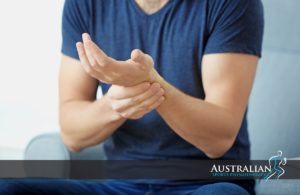

Living with arthritis can feel like a daily challenge. Some days your joints move comfortably, while on others even simple tasks can trigger stiffness or pain. Over time, this unpredictability can affect not only physical comfort but also confidence and independence.
Many people come to accept joint pain as unavoidable, assuming that medication or rest are the only options available. As a result, movement is often reduced, which can gradually make symptoms feel more limiting rather than less.
Physiotherapy offers a structured and practical approach to managing arthritis. It focuses on improving mobility, strengthening the muscles that support your joints, and reducing strain during everyday activities. With consistent guidance, movement can become safer, more controlled, and less painful.
If arthritis has been restricting how you move or live, physiotherapy may provide a clear path towards better function, improved comfort, and greater control over your daily life.
Why “motion is lotion”
It sounds like a cliché, but it’s biologically accurate. Joint cartilage doesn’t have its own blood supply; it relies on synovial fluid for nutrients. Movement acts like a pump, circulating that fluid. When you stop moving because of pain, the joint actually becomes more “starved” and stiff, creating a cycle of discomfort.
Goals of managing arthritis with physiotherapy
Physiotherapy isn’t just about “exercises”; it’s a strategic approach to keeping you mobile.
-
Pain management and inflammation control
Using techniques like TENS (transcutaneous electrical nerve stimulation), heat/cold therapy, and manual therapy to settle flare-ups.
-
Restoring range of motion
Gentle stretching and mobilisation to prevent joints from locking up or becoming stiff.
-
Strengthening “shock absorbers”
Building the muscles around the joint to take the pressure off the cartilage.
-
Joint protection
Learning how to move, sit, and lift in ways that don’t aggravate your condition.

Core components of physiotherapy treatment for arthritis
1. Personalised exercise programs
This is the “meat and potatoes” of physiotherapy. The goal is to strengthen the muscles surrounding the joint to act as natural shock absorbers.
- Strengthening: Focused on low-impact resistance to support the joint, for example, strengthening the quadriceps to take the pressure off an arthritic knee.
- Range of motion (ROM): Gentle stretching and mobility drills to combat stiffness, especially the “morning gel” feeling common in osteoarthritis.
- Aerobic Conditioning: Low-impact activities like swimming, cycling, or hydrotherapy to improve cardiovascular health without pounding the joints.
2. Manual therapy
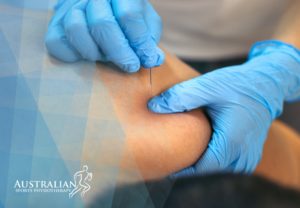
The therapist uses “hands-on” techniques to improve joint mobilisation and reduce muscle tension.
- Joint manipulation: Careful movements to increase the glide of the joint.
- Soft tissue massage: Reducing the guarding (muscle spasms) that often happens when a joint is painful.
3. Pain management modalities
While exercise fixes the cause, these tools help manage the symptoms so you can exercise:
- TENS: Small electrical pulses that scramble pain signals to the brain.
- Heat therapy: Using heat to loosen stiff joints or ice to reduce acute inflammation after activity.
- Ice therapy: Applying an Ice pack to the area can help reduce the intensity of pain signals travelling to the brain and reduce localised inflammatory reactions and swelling.
- Hydrotherapy: Utilising the buoyancy of water to perform movements that would be too painful on land.
4. Education and assistive devices
A huge part of physiotherapy is learning how to move differently in your daily life.
- Joint protection: Learning how to use larger joints for tasks (e.g., carrying a bag on your shoulder instead of your fingers).
- Orthotics and bracing: Using shoe inserts, using mobility aids as required or even a compressive sleeve can help protect the joint and reduce the sensitivity to pain.
- Ergonomics: Adjusting your workstation or home setup to minimise strain.
Customising physiotherapy for your type of arthritis
Physiotherapy isn’t just about “stretching”—it’s a strategic approach to keeping your joints functional and your quality of life high. Whether you’re dealing with osteoarthritis (wear and tear) or rheumatoid arthritis (inflammatory), the goals remain centred on keeping you moving.
-
Osteoarthritis (OA)
Focuses heavily on strengthening the supporting muscles (e.g., strengthening quads to protect a worn-down knee).
-
Rheumatoid arthritis (RA)
Focuses on energy conservation and joint protection. During an active “flare”, the goal is to reduce inflammation rather than push for strength.
Benefits of physiotherapy for managing arthritis
| Benefit | Why it matters |
| Increased Strength | Stronger muscles mean less pressure directly on the cartilage. |
| Weight Management | Lowering body weight significantly reduces the load on weight-bearing joints (hips/knees). |
| Delayed Surgery | Many patients can postpone or even avoid joint replacements through consistent physiotherapy. |
| Independence | Improving balance and gait reduces the risk of falls and keeps you mobile. |

Final thoughts
Physiotherapy is often the gold standard here because it moves beyond temporary relief to functional improvement.
Think of a physiotherapist as a mechanical engineer for your body, they help you rebalance the “machinery” to prevent further wear and tear.
Consistency is the secret sauce. A physiotherapy program isn’t a “one and done” fix. It’s a toolkit you use for the long-term to keep the joints lubricated and the muscles resilient.
Book an appointment with one of our experienced physiologists today for a comprehensive assessment and customised treatment plan.