Every athlete knows the thrill of pushing limits — the extra sprint, the heavier lift, the final push when muscles burn, and lungs demand relief. Progress lives on that edge. But so does strain, fatigue, and sometimes injury.
What separates those who stall from those who surge forward often isn’t just talent or determination. It’s how well the body is supported, restored, and prepared for what comes next.
Whether you are a weekend warrior or a professional athlete, the journey from training to triumph is rarely a straight line. It’s a path paved with physical demands that often push the body to its absolute limit.
Physiotherapy is the silent engine behind that progress—moving far beyond simple “injury repair” to become a cornerstone of elite performance.
Proactive injury prevention: The prehab strategy
The goal of preventative physiotherapy for athletes is to identify and correct “silent” dysfunctions before they manifest as acute injuries.
-
Functional movement screening
Physiotherapists use standardised tests to identify asymmetries or limitations in movement patterns. If your left hip is tighter than your right, your lower back will eventually pay the price.
-
Load management
One of the biggest causes of injury is the “too much, too soon” approach. Physiotherapists help calculate the acute-to-chronic workload ratio, ensuring training intensity doesn’t spike beyond what the tissues can handle.
-
Neuromuscular training
This involves teaching the nerves and muscles to react correctly during sudden movements, such as landing a jump or changing direction, which is critical for ACL tear prevention.
Performance enhancement: Finding the marginal gains
Physiotherapy isn’t just about staying on the field; it’s about moving more efficiently once you’re there.
| Area of Focus | Impact on Performance |
| Mobility & Range of Motion | Allows for deeper squats, longer strides, and more fluid throwing motions. |
| Core Stability | Improves the transfer of power from the legs to the upper body (the kinetic chain). |
| Proprioception | Enhances balance and spatial awareness, leading to faster reaction times. |
| Sport-Specific Biomechanics | Analysing a golfer’s swing or a runner’s gait to reduce energy leaks. |
Recovery: The bridge to the next session
Effective recovery is the secret weapon of high-performance athletes. Physiotherapy for athletes facilitates this through:
- Soft tissue work: Utilising myofascial release or instrument-assisted techniques to reduce muscle tension and improve blood flow.
- Active recovery protocols: Designing low-intensity movement patterns that flush metabolic waste without adding fatigue.
- Education: Teaching athletes how to use tools like foam rollers, compression garments, and percussion massagers effectively.
Whether you’re training for a marathon or just looking to stay active without pain, integrating physiotherapy into your routine can be a game-changer. It’s about building a body that is resilient, not just strong.
The golden rule
Performance is only as good as your recovery. If you can’t recover from today’s session, you can’t improve in tomorrow’s.
The psychological edge
Physiotherapy plays a crucial role in addressing the mental aspects of injury, aiding individuals in the development of both confidence and mental resilience after experiencing setbacks.
Beyond just physical rehabilitation, physiotherapy for athletes provides a vital bridge over the psychological gap that often emerges following an injury. By setting and achieving measurable physical milestones, athletes can successfully regain their proprioception.
This process not only helps to restore physical capabilities but also instils a sense of confidence that is essential for a full recovery.
As athletes progress through their rehabilitation journey, they learn to confront and overcome their fears of re-injury, ultimately enabling them to return to their sport with renewed strength and assurance.
In essence, physiotherapy empowers individuals to reclaim their physical and mental well-being, reinforcing the idea that recovery is not just about healing the body but also about strengthening the mind.
Key takeaways for athletes
- Regular check-ups: To sustain peak performance, athletes should consider routine, periodic evaluations (e.g., every 4-6 weeks).
- Pre-season focus: Now is the time to correct strength deficits, improve movement, and build resilience for the season.
- Mental fortitude: The path to success entails developing both physical and mental resilience.
By incorporating sports physiotherapy into daily practices, players can transition from the stress of sometimes harmful training to the victory of consistent, high-level competition.
Final thoughts
Physiotherapy plays a quiet but powerful role in athletic success. It helps prevent small issues from becoming major setbacks, restores movement with precision, and builds resilience where performance demands it most.
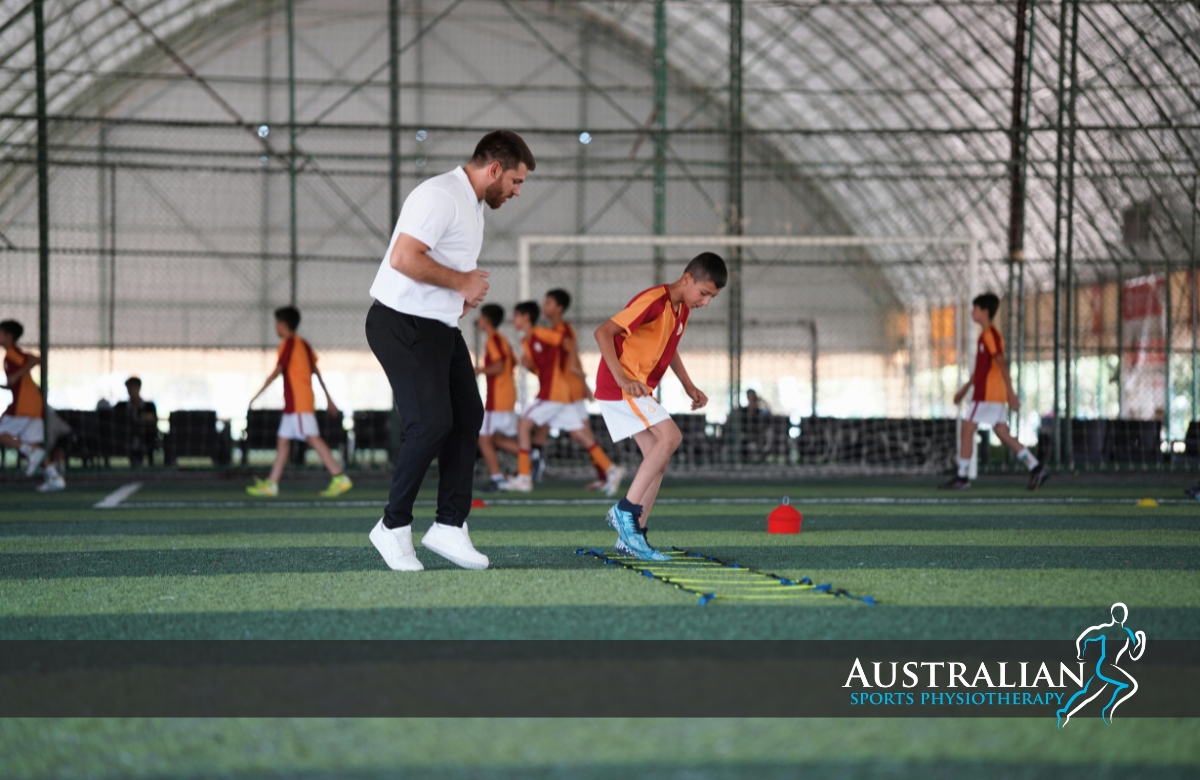
Whether returning from injury or striving for peak performance, understanding how expert physical care shapes strength, mobility, and endurance can redefine what progress really looks like.
Done right, it doesn’t just help athletes recover — it helps them move better, train smarter, and compete stronger.
Because true victory isn’t just about training harder — it’s about training wisely, recovering fully, and performing with a body that’s ready for more.